


How to Buy a Home in the Capital Region, NY: A Step-by-Step Buyer's Guide
Ten steps from your first conversation about money to the day you get your keys, written for how a purchase actually works here in New York.
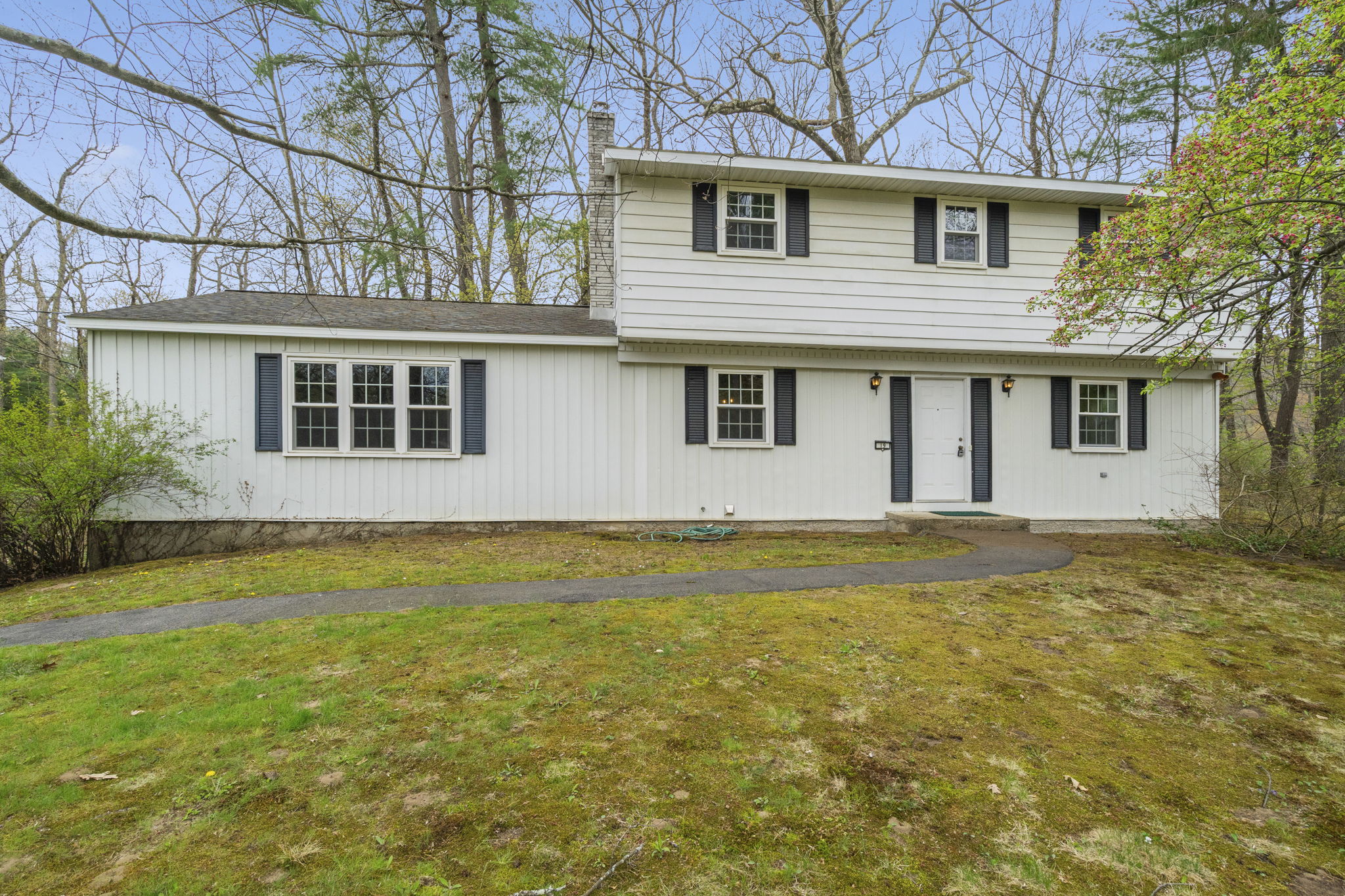
What are the steps to buying a house in the Capital Region?
Every purchase is a little different, but nearly all of them follow this order. Knowing what's next takes most of the stress out of it.
Talk money and get pre-approved
Before you look at a single house, sit down with a lender. A pre-approval tells you your real budget at today's rates and shows sellers you're serious. Ask about loan types too: VA, FHA and conventional loans all have different down payments.
Remember your monthly payment is more than the loan. Property taxes here change a lot from town to town and school district to school district, so look up the taxes on any home you like.
Choose your agent and sign the paperwork
In New York, an agent has to give you a state agency disclosure form at your first real conversation about a home. It explains who the agent works for. Since August 2024, you'll also sign a written buyer agreement before touring homes. It spells out what your agent does and how they're paid, and the terms are negotiable.
Pick the towns that fit your life
The Capital Region covers a lot of ground, from city neighborhoods in Albany, Troy and Schenectady to suburbs like Colonie, Clifton Park and Niskayuna to lake and mountain towns up north. Compare commutes, taxes and the homes in each price range. Start with our county guides, and check which school district any home is in, since districts don't always follow town lines.
Tour homes and set up alerts
Good homes can go fast. Set up listing alerts so you see new homes the day they hit the market, and keep a short list of must-haves versus nice-to-haves.
Make an offer
Your agent pulls recent sales of similar homes nearby so your price is based on facts. Price is only part of it. Your deposit, financing, inspection terms and closing date all matter to a seller. See how we negotiate for buyers.
Sign the contract and hand it to your attorney
Once you and the seller agree, the contract goes to both attorneys to review. Your attorney checks the terms, answers your legal questions and handles the closing later. Before you sign, the seller should give you New York's Property Condition Disclosure Statement (more on that below).
Do your inspections
A home inspection looks at the roof, structure, heating, plumbing and electrical. Many buyers also test for radon, and homes outside town water and sewer usually get a well and septic check. If something big turns up, your agent negotiates a repair, a credit or a price change.
Finish your mortgage and appraisal
Your lender orders an appraisal and finishes underwriting. Answer their requests quickly and don't open new credit or change jobs until you close. When it's done, you get a mortgage commitment.
Clear title and set up insurance
Your attorney orders a title search to make sure the seller can give you clean ownership, and you'll buy title insurance. Line up homeowner's insurance, and flood insurance if the home is in a flood zone.
Final walk-through and closing day
Right before closing, you walk through the home to make sure it's in the condition you agreed to. At closing you sign the loan papers, the money moves, and the deed is recorded with the county clerk. Then you get the keys.
What does it cost to buy a home in the Capital Region?
Plan for your down payment plus closing costs. Your lender's Loan Estimate shows your exact numbers. Here are the main pieces:
| Cost | What to know |
|---|---|
| Down payment | Depends on the loan. Eligible veterans and service members can often buy with no down payment using a VA loan. FHA loans allow as little as 3.5% down for qualified buyers. |
| Mortgage recording tax | New York charges a tax when your mortgage is recorded. Outside the New York City area, the state's basic, additional and special additional taxes add up to $1 per $100 of the loan, plus a city or county tax where one applies. |
| "Mansion tax" | The buyer pays an extra 1% of the price on a home that costs $1 million or more. |
| Attorney fee | Your own real estate attorney for the contract and closing. |
| Title insurance and recording | Protects you and your lender if a problem with ownership comes up later. |
| Inspections and appraisal | Home inspection, plus radon, well or septic tests if needed. The lender orders the appraisal. |
| Prepaids and escrow | Your first year of homeowner's insurance and a starting balance for property taxes. |
Tax rates from the NYS Department of Taxation and Finance (mortgage recording tax) and its real estate transfer tax page (mansion tax), checked November 3, 2026. FHA down payment from HUD.
A New York detail many buyers miss: since March 20, 2024, sellers of most homes must give buyers a completed Property Condition Disclosure Statement before the buyer signs the contract. The old option of handing the buyer a $500 credit instead is gone, and the form now asks about flood zones, flood insurance and past flood damage. Read it closely before you sign.
Source: New York State Bar Association; NY Real Property Law section 462.
Do I need a real estate attorney to buy a house in New York?
Here in the Capital Region, buyers almost always hire one, and so do sellers. Your agent finds the home, prices your offer and negotiates. Your attorney reviews the contract, handles the title work and runs the closing. Hire your attorney early, so the contract doesn't sit waiting. We're happy to share the names of local attorneys our clients have used.
What paperwork will I see as a buyer?
- Agency disclosure form. A New York form that explains who your agent represents. You sign to show you received it, not to hire anyone (Real Property Law section 443).
- Buyer agreement. Your written agreement with your agent, signed before touring homes. Read it and ask questions. It's negotiable.
- Pre-approval letter. From your lender, sent with your offer.
- Property Condition Disclosure Statement. The seller's answers about the home's condition, due before you sign the contract.
- Lead paint disclosure. Required for most homes built before 1978 (EPA).
- Purchase contract, Loan Estimate and Closing Disclosure. Your attorney and lender walk you through each one.
Buying with a VA loan, building new or moving here?
These are the paths we help with most. Each has its own guide:
New construction and VA loans are Alex's specialties. He holds the Certified New Home Sales Professional (CSP) and Military Relocation Professional (MRP) designations.
Buyer questions we hear most
How long does it take to buy a house in the Capital Region?
The search can take a weekend or a few months. Once you have a signed contract, closing usually depends on how fast the mortgage, appraisal and title work get done. Your attorney and lender will give you a target date.
Do I need a real estate attorney to buy a home in New York?
In the Capital Region, buyers almost always hire a real estate attorney to review the contract, handle title and run the closing.
What does a seller have to tell me about the house in New York?
Since March 20, 2024, sellers of most homes must give the buyer a completed Property Condition Disclosure Statement before the buyer signs the contract. The $500 credit option was eliminated, and the form now includes flood questions.
Who pays the mansion tax in New York?
The buyer pays it. It is 1% of the price on residential property that sells for $1 million or more. If the buyer doesn't pay or is exempt, the seller must.
Alex Cooley, MRP, CSP, top-producing REALTOR®, Licensed Real Estate Salesperson and founder of The Capital Region Team at Compass.
Licensed since 2015, with 300+ real estate transactions and $100M+ in career sales volume. Named a Top 50 REALTOR® by Capital Region Real Producers in 2025, with 180+ five-star reviews across Google and Zillow. New construction and VA specialist.
Last updated November 3, 2026. This guide is general information, not legal, tax or financial advice.
Sources: NYS Tax Department, mortgage recording tax; NYS Tax Department, real estate transfer tax; NYSBA on the 2024 disclosure law change; NY Real Property Law section 443; EPA lead disclosure rule; HUD.