


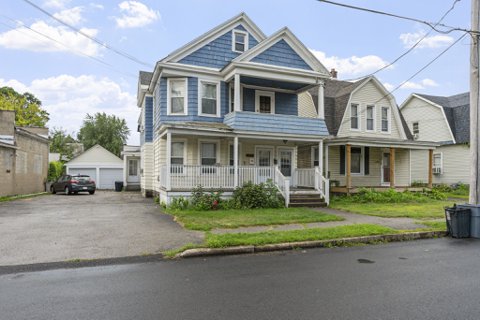
Sellers ask me this all the time, and it's a fair question. You're trusting someone with what is probably your biggest asset, and you should know exactly what you're getting. Here is what a listing agent should do for you, step by step, whether you sell in Latham, Colonie, Niskayuna, Clifton Park or anywhere else in the Capital Region. Use it as a checklist, with us or with anyone.
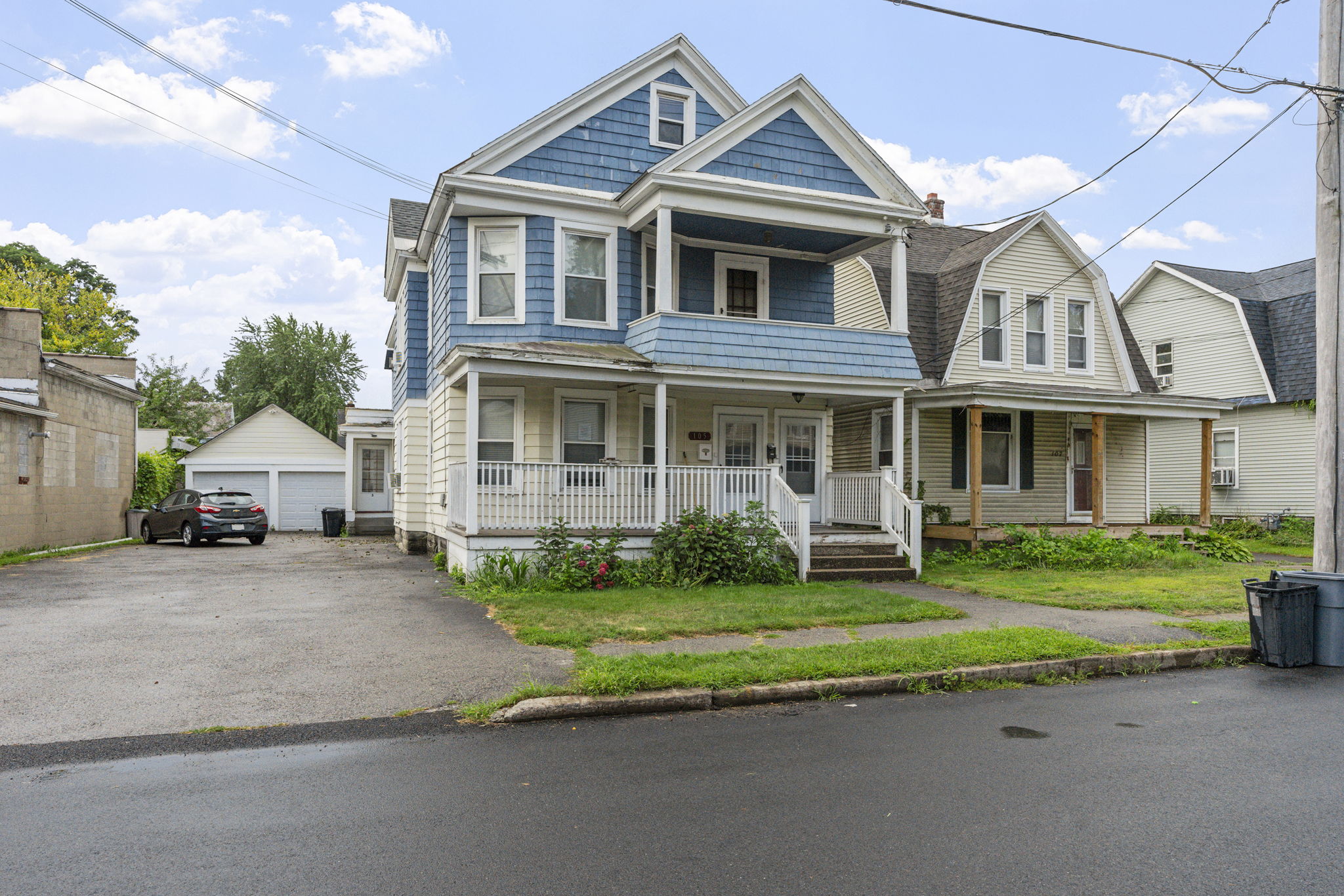
What does a listing agent do, in plain terms?
A listing agent (also called a seller's agent) works for you, the seller. Their job is to get your home sold for the best price and terms you can get, with as few surprises as possible along the way.
What should a listing agent do before you sign?
The first meeting tells you a lot. Before you sign anything, a good listing agent should:
- Walk through your home and point out what will help and what will hurt with buyers.
- Show you recent sales near you, not just what's for sale. Asking prices are hopes. Closed sales are facts.
- Give you a written net sheet so you know roughly what you'll walk away with.
- Explain the listing agreement in plain English: how long it runs, what you pay and when, and how you can end it.
- Explain how buyer's agent compensation works now. Since the 2024 rule changes, offers of compensation are no longer posted on the MLS, and buyers sign their own written agreements with their agents. Whether you offer to help pay a buyer's agent is your decision, and your agent should walk you through the trade-offs. We covered the buyer's side in What Does a Buyer's Agent Do in New York, and Who Pays Them?
- Lay out a marketing and timing plan with real dates.
What should I net after selling a $400,000 home?
Here's the kind of net sheet you should see before you list. Every number below except the transfer tax is an example. Commissions are negotiable, and your attorney fee and mortgage payoff are your own.
| Example: $400,000 sale | Amount |
|---|---|
| Sale price | $400,000 |
| Listing brokerage commission (example: 3.5%) | -$14,000 |
| Buyer's agent compensation, only if you agree to offer it (example: 2.5%) | -$10,000 |
| NYS real estate transfer tax (0.4%) | -$1,600 |
| Seller's attorney (example) | -$1,000 |
| Mortgage payoff (example) | -$220,000 |
| Estimated cash to you, before tax prorations and credits | $153,400 |
Example math by The Capital Region Team. Transfer tax rate from the NYS Department of Taxation and Finance. Not a quote, and not a real listing.
A good agent keeps updating this sheet as offers come in. That's how you can see, for example, that a $405,000 offer asking for an $8,000 closing-cost credit actually puts less money in your pocket than a clean $400,000 offer. For every line item, including which Capital Region counties expect the seller to pay for the abstract of title, see How Much Does It Cost to Sell a House in the Capital Region?
How should a listing agent price your home right now?
Pricing is the single most important thing your agent does. Price it right and the first two weeks bring your best buyers. Price it too high and the house sits, buyers start asking what's wrong with it, and you often end up below where you could have started.
The market is giving buyers a bit more room this fall. Here's what the Greater Capital Association of REALTORS reported for October 2026 across Global MLS:
| Global MLS area | Oct 2026 | Oct 2025 |
|---|---|---|
| Homes for sale (inventory) | 2,747 | 2,426 |
| Months of supply | 3.1 | 2.7 |
| Days on market until sale | 27 | 26 |
| % of original list price received | 98.6% | 99.1% |
| Median sale price | $350,000 | $342,000 |
Source: GCAR Monthly Indicators, October 2026 (Global MLS data).
More homes for sale means buyers can compare. And the homes going under contract tend to be the ones priced in line with the market. On November 14, 2026, the site's Global MLS feed showed this:
| Town | For sale | Avg asking (for sale) | Under contract | Avg asking (under contract) |
|---|---|---|---|---|
| Colonie (incl. Latham, Loudonville addresses) | 123 | $508,800 | 144 | $454,100 |
| Clifton Park | 58 | $603,700 | 81 | $546,200 |
| Niskayuna | 40 | $531,400 | 43 | $397,300 |
Source: Global MLS listings on capitalregionteam.com, checked November 14, 2026 (single-family, condo, townhouse and multi-family). These are asking prices, not sale prices, and the mix of homes differs between the two groups. Counts change daily.
In all three towns, the homes under contract were asking less on average than the homes still waiting. Part of that is the mix of homes, but it also matches what I see every week: buyers move fast on homes priced right and wait out the rest. A good agent prices from recent closed sales of truly similar homes, adjusts for condition and today's competition, and tells you the truth even when it isn't the number you hoped for.
How should they get your home ready and on the market?
Once the price plan is set, your agent should manage the launch:
- A prep list in order of payoff. Small things first: paint touch-ups, lighting, decluttering, a deep clean. Big projects only when the numbers support them.
- Professional photos, plus a floor plan or video when they help the house. Most buyers see your home online before they ever see it in person.
- An accurate, well-written listing. Correct room sizes, taxes and features. Mistakes cost trust, and can cost the deal.
- A showing plan that works for your life, with feedback after every showing.
A local detail most sellers don't know: Most Capital Region homes are sold through Global MLS, and its rules shape your launch. Under the Global MLS Rules and Regulations (revised August 27, 2026), your agent must enter the listing within 24 hours of the listing agreement's effective date (not counting weekends and holidays), and within one business day of any public marketing. A "Coming Soon" listing can run no more than 30 days before showings start, and the home may not be shown to anyone during that time. Virtually staged or AI-edited photos are allowed only with the watermark the MLS requires. If you want to delay online marketing for a while, you can, but you'll be asked to sign a disclosure first.
Source: Global MLS Rules and Regulations, revised August 27, 2026; NAR Multiple Listing Options for Sellers FAQ.
Why this matters to you: a good agent uses these rules on purpose. A short Coming Soon period can build interest before the first showing. Going live on a Thursday can line up a strong first weekend. And your agent should explain clearly what you give up if you choose to keep your home off the public sites.
What paperwork should a listing agent help you with in New York?
New York has a few seller rules that catch people off guard. Your agent isn't your lawyer, but they should make sure none of these surprise you:
- The Property Condition Disclosure Statement. Since March 20, 2024, most sellers can no longer give the buyer a $500 credit instead of filling it out. Your agent should get you the current form early, so you can answer carefully and fix what you can before buyers read it.
- Lead paint disclosure for homes built before 1978. Federal rules require you to share what you know about lead-based paint, give buyers the EPA pamphlet, include a lead warning statement in the contract, and give buyers 10 days to test unless they waive it. Agents share responsibility for this, so yours should bring it up first.
- The agency disclosure form (the New York State Disclosure Form for Buyer and Seller), signed before the listing agreement.
- Your real estate attorney. In the Capital Region, the purchase contract is usually prepared and then reviewed by both sides' attorneys before it's final. Your agent should help you line up an attorney early, not the week you get an offer.
Sources: NYS Department of State, Property Condition Disclosure Statement; U.S. EPA, Real Estate Disclosures about Potential Lead Hazards.
How should a listing agent handle offers and get you to closing?
This is where a good agent earns their keep. When offers come in, they should:
- Present every offer to you, with a side-by-side summary of price, credits, financing, contingencies and closing date.
- Check the buyer's strength. Call the lender, review the pre-approval, and ask about the buyer's own home sale if there is one.
- Negotiate for your net, not just the headline price. Terms matter as much as dollars.
- Manage multiple offers fairly and according to your instructions, if more than one buyer is interested.
After you accept an offer, the agent's job is to keep the deal together:
- Inspection: help you decide whether to repair, offer a credit or say no to each request.
- Appraisal: if it comes in low, bring the right sales data and a plan.
- Attorneys, lender and title: track every deadline and keep you updated without you having to chase anyone.
- Final walk-through and closing: make sure utilities, keys and any agreed repairs are handled so closing day is calm.
How do I know if my listing agent is doing a good job?
You shouldn't have to guess. Here's a quick way to tell.
- You get showing feedback and activity updates every week.
- Pricing advice is backed by recent closed sales, not opinions.
- You see an updated net sheet with each offer.
- You hear about problems early, along with a plan.
- Calls and texts get answered the same day.
- Your home has had steady showings but no offers, and no one has talked to you about why.
- The listing has errors in rooms, taxes or features.
- You learn about an offer, a deadline or an issue after the fact.
- The only advice you get is "wait" or "cut the price," with no data.
- You can't tell what is being done to market your home.
Do this before you sign a listing agreement:
- Ask for recent closed sales near you and a written net sheet.
- Ask how long the agreement runs and how you can end it if you're unhappy.
- Ask how buyer's agent compensation will be handled, in writing.
- Ask what happens in the first 14 days: photos, launch day, showings, feedback.
- Ask who your day-to-day contact is, and how fast they respond.
For a deeper look at choosing the right person, see How to Choose a Realtor to Sell Your Home in the Capital Region, and if timing is on your mind, When Is the Best Time to Sell a House in the Capital Region?
How our team does each step
Since you're reading this on our site, here is how The Capital Region Team handles the steps above, so you can hold us to it:
- Before you sign: a walk-through, recent closed sales near you and a written net sheet.
- Pricing: based on closed sales of similar homes, adjusted for today's competition in your town.
- Launch: a prep list in order of payoff, professional photos and an accurate listing on Global MLS.
- During the listing: showing feedback and a weekly check-in.
- Offers and closing: every offer side by side with your net, and one point of contact for the attorneys, lender and title company until you have the check.
Our Seller's Guide walks through the whole process, and you can see local market pages for Albany County, Saratoga County and the rest of our Capital Region counties.
Frequently asked questions
What does a listing agent do when selling a house?
A listing agent prices your home from recent sales, helps you prepare it, puts it on the MLS and markets it, schedules showings and shares feedback, presents and negotiates every offer, and coordinates the inspection, appraisal, attorneys and title work until closing. In New York, a seller's agent also owes you fiduciary duties, including loyalty, confidentiality and full disclosure.
Who pays the listing agent in New York?
Usually the seller, out of the sale proceeds at closing, as set out in the listing agreement. Commissions are negotiable. Since the 2024 rule changes, whether a seller also offers to help pay the buyer's agent is a separate decision the seller makes with their agent.
How long is a typical listing agreement in the Capital Region?
There is no set length in New York law. It is whatever you and the brokerage agree to in writing. Before you sign, make sure you know the end date and what happens if you want to cancel early.
Does a listing agent have to show me every offer?
Your agent owes you full disclosure and loyalty under New York law, so you should expect to hear about every offer, along with the price, terms and how it affects your net. If you ever learn about an offer after the fact, ask why.
What should I ask a listing agent before signing in Latham or Colonie?
Ask for recent closed sales near you, a written net sheet, how long the agreement runs and how to end it, how buyer's agent compensation will be handled, and exactly what happens in the first 14 days on the market.
FAQ answers are general information. Your listing agreement and your attorney control the details of your own sale.
Alex Cooley, top-producing REALTOR®, Licensed Real Estate Salesperson and founder of The Capital Region Team at Compass.
Licensed since 2015, with 300+ real estate transactions and $100M+ in career sales volume. Named a Top 50 REALTOR® by Capital Region Real Producers in 2025, with 180+ five-star reviews across Google and Zillow. New construction and VA specialist.
Last updated November 15, 2026. This post is general information, not legal, tax or financial advice.
Sources: New York Real Property Law Section 443; Greater Capital Association of REALTORS, Monthly Indicators, October 2026 (Global MLS data); Global MLS listings on capitalregionteam.com, checked November 14, 2026; Global MLS Rules and Regulations, revised August 27, 2026; NAR Multiple Listing Options for Sellers FAQ; NYS Department of Taxation and Finance, real estate transfer tax; NYS Department of State, Property Condition Disclosure Statement; U.S. EPA, Real Estate Disclosures about Potential Lead Hazards. Dollar examples are our own math.